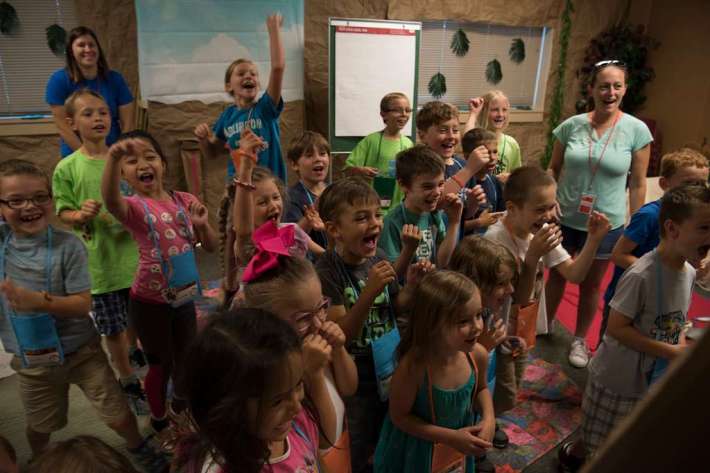
As a school leader, I had the privilege of visiting many classrooms. Regardless of the classroom, I observed an interesting phenomenon. When students had some unstructured time, they would talk and talk and talk. When the class was structured and teachers asked questions requiring student verbal responses, they were silent and silent and silent!
It’s important for teachers to provide instruction regarding how to respond verbally in classroom settings. It’s also important for teachers to have a variety of tools for cultivating the verbal response in classrooms. In the book Creating An Actively Engaged Classroom, authors Todd Whitney, Justin Cooper, and Terrance Scott provide information about several verbal engagement strategies. The following three jumped out to me (pp. 14-36):
- Whip Around. This group response strategy is great for questions with many possible answers. The teacher goes up and down rows to get responses from students who can provide answers or pass. Keep this one moving for the fullest engagement.
- Quick Poll. Provide the group with a prompt and give them a minute or two to write an answer. Randomly select two or three students to write their response on the board. Conduct a “raise your hand” poll to see how many other students had the same answer. Use the response to facilitate discussion.
- Choral Responding. Simultaneous group response is still a valid engagement method. I don’t see it in use as often as I once did, but it should be in your tool kit. If you haven’t used it for a while, give it a try!
If you want to know specifics about how to teach and use these strategies, pick up a copy of Creating An Actively Engaged Classroom. You might find ways to bring them into your classroom. You and your students will be glad you did!
 Phil Harrison Coaching