Have you ever been in a discussion and had someone begin their response with, “With all due respect?” I’ve been in several such conversations, and far too frequently what follows “with all due respect” is typically not filled with respect.
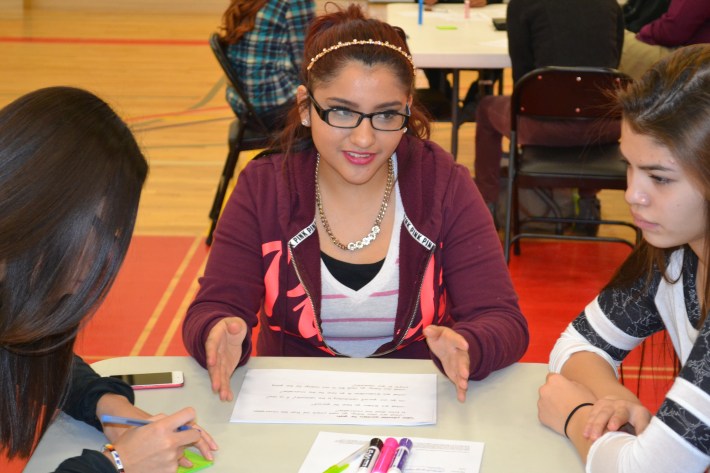
How can we ensure that student discussions don’t trend toward disrespect? In the book Teach for Authentic Engagement, author Lauren Porosoff shares the following tasks for helping students engage in respectful discussions within class (pp. 140-144):
- Respond to the prompt in writing. Teachers can provide the discussion prompt to students prior to beginning the discussion. Have students jot down three or four responses to the prompt.
- Identify a portion to share. Give students a few minutes after writing responses to review their writing. Have students identify and mark which portion they are willing to share with the class.
- Establish a sharing order. Make the order of contribution clearly visible to all students. This helps students attend to the other speakers and helps the class manage time overall.
- Take notes during sharing. Ask students to note who is speaking and jot down one or two nuggets of interest to the discussion.
- Review notes taken during sharing and identify anything they wish to respond to. They may wish to respond to something that is novel or something that caused some type of response within themselves.
- Establish a format for responding. Consider using the sharing order to allow for responses.
- Say back and add. When responding to the ideas of others, have students articulate what was said and then add something in order to personalize learning.
- Identify commonalities. As discussion concludes, take the time to identify common themes or values that were heard throughout the process.
As you prepare for next week, think of how you might use this type of structure to prepare for discussions in your classroom. You and your students will be glad you did!
 Phil Harrison Coaching